Upgrade Your Home With Qualified Architecture Services
Advancing a home through expert design consultation involves more than just aesthetics. It involves a deep insight of functional design and state construction regulations. Engaging an veteran architectural professional can address everyday obstacles while enhancing property equity. The process is strategic and thorough, promising that every detail harmonizes with the homeowner's expectations. Yet, many homeowners encounter challenges to navigate this journey competently. What steps can they take to secure a successful association?
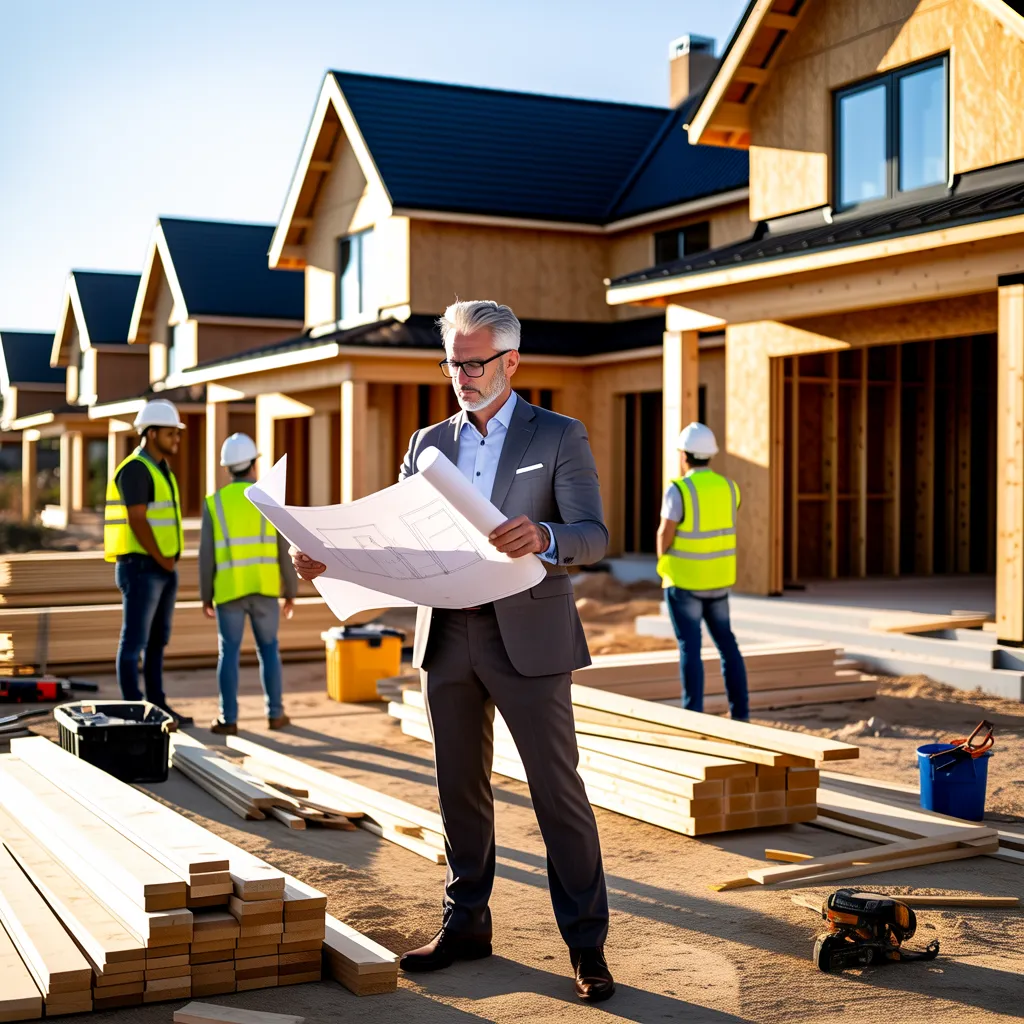
Typical Residential Design Difficulties and the Role Architects Play
What renders home design so tough for countless homeowners? The difficulty of merging personal design preferences with functional requirements often overwhelms them. Homeowners commonly struggle with spatial limitations, financial constraints, and legal requirements, making the design process more difficult. Additionally, many lack the required expertise needed to manage building considerations and building codes.
Architects execute an essential role in relieving these complications. Their instruction equips them to navigate the complexities of design, confirming that a homeowner's vision aligns with practical facts. Architects can provide creative answers to improve space while adhering to safety norms. They also contribute in creating cohesive designs that reflect the occupant's style. By communicating understanding into substances and building methods, architects support expedite the selection activity. In conclusion, their expertise transforms a potentially intimidating project into a collaborative journey, fostering a harmonious balance between creativity and usefulness in home design.
Reasons to Team Up With a Professional Architect
Working with a seasoned professional strengthens the residential planning process by uniting professional insight with the client's objectives. Architects supply a comprehensive skill set in design principles, construction standards, and sustainability practices, guaranteeing that the work not only reaches visual targets but also adheres to codes. Their talent for imagining and present difficult concepts facilitates rendering theoretical frameworks into tangible designs.
Moreover, architects can offer forward-thinking solutions to spatial challenges, refining functionality and layout. They also direct the complications of the building process, liaising with contractors and suppliers to maintain finances and schedules are followed. This professional management decreases errors and reduces the anxiety associated with home renovation or building. Ultimately, engaging with an architect delivers a cohesive, well-crafted space that embodies the homeowner's personality while boosting overall property value.
What Are the Important Phases in the Building Design Workflow?
What is the way the architectural process unfolds from concept to finish? The progression begins with an first meeting, where the architect and client discuss goals, requirements, and financial resources. This stage is important for establishing a well-defined direction. Next, the architect conducts site analysis, evaluating factors like terrain, weather patterns, and local codes.
After this, the design phase starts. In this phase, sketches and digital models are produced, allowing the client to envision the project. When the design is finalized, the architect assembles detailed construction documents, including specifications and drawings.
Once required permits are secured, the project enters the building stage. The architect frequently collaborates with contractors to guarantee that the plan is implemented correctly. Frequent site visits and evaluations help preserve standards and compliance to the original vision. Finally, the project concludes in a inspection, verifying that the finished structure meets the client's requirements before the official handover.
How Should You Search for the Best Architect for Your Home?
Locating the perfect architect for a residence involves careful evaluation and research. Potential property buyers should begin by establishing their particular requirements and budget, which will guide their hunt. Suggestions from see information on this acquaintances, loved ones, or property experts can offer useful connections. Internet collections of work and testimonials help in evaluating an architect's past work and customer satisfaction.
Next, interested parties should interview various candidates to evaluate their speaking approach, background, and strategy for design. It's critical to discuss timelines and project expectations to confirm mutual understanding. Additionally, checking credentials and reviewing appropriate certifications and licenses can circumvent subsequent difficulties.
Finally, homeowners should trust their gut feelings. The perfect architect should not only possess the required skills but also align with the homeowner's goals and principles. This synergy creates a working relationship, ultimately leading to a successful partnership in building a dream home.
Strategies for Conveying Your Objectives Clearly
Effectively conveying a vision for home design is crucial for a successful collaboration between homeowners and architects. To achieve this, homeowners should begin by distinctly outlining their requirements and tastes. Creating a visual reference collection with images, colors, and finishes can help conveying aesthetic preferences. Additionally, outlining practical specifications, such as room size and floor plan, ensures that the designer comprehends functional aspects.
Property owners should also take part in frank discussion, encouraging inquiries and input to refine their vision. Frequent meetings throughout the design process encourage teamwork and openness. Employing straightforward language to express ideas and concerns can prevent confusion and help align expectations.
In conclusion, embracing the architect's skills permits a more lively conversation. By blending personal vision with professional insight, homeowners can establish a collaborative connection that produces a beautifully designed space embodying their aspirations.
How to Plan finances for Architecture Solutions
As you start a home design project, determining a budget for architecture services is critical to prevent financial strain later. Homeowners should begin by researching typical fees in their area, which can vary based on the project's complexity and the architect's experience. It is sensible to allocate a percentage of the overall project cost specifically for architectural services, typically ranging from 5% to 15%.
Next, potential clients should assess the breadth of services needed—whether they want complete design and project management or only initial consultations. Participating in open dialogue with prospective architects regarding their fee structures can shed light on pricing.
Additionally, property owners should take into account possible changes and unforeseen costs, building a buffer into the budget. By clearly defining their financial parameters in advance, customers can guarantee they choose an architect who aligns with their goals while staying inside their budget constraints.
Frequently Asked Questions
What Structural Types May I Select for My Home?
Homeowners may pick from diverse architectural styles, encompassing modern, traditional, colonial, Mediterranean, and contemporary. Each style offers unique appearance and utility, permitting individuals to demonstrate personal preference while accounting for regional influences and environmental factors.
How Much Time Does the Structural Design Process Typically Need?
The architectural procedure typically takes several months, determined by scope complexity, design approvals, and local ordinances. Components such as client feedback and construction schedules can also shape the timeline substantially throughout the process.
Can Architects Contribute To Sustainable Design Choices?
Architects can absolutely support with sustainable design options. They integrate eco-friendly materials, efficient energy systems, and innovative layouts, ensuring projects reduce environmental impact while enhancing functionality and aesthetic appeal, aligning with clients' sustainability goals effectively.
What Qualifications Should I Look for in an Architect?
When engaging an architect, one should examine their education, licensure, involvement in related assignments, selection of projects highlighting their design sensibility, and grasp of local compliance standards. Ability to communicate effectively and feedback from previous clients also prove essential in the evaluation process.
In What Ways Do Architects Navigate Zoning and Permit Questions?
Architects manage regulatory challenges by conducting thorough research on regional requirements, preparing necessary documentation, and working with municipal authorities. Their proficiency guarantees adherence, expediting the approval process for client projects efficiently.